Steven Gerrard was left furious after Liverpool F.C.’s humiliation against Aston Villa F.C.
In a shocking turn of events at Villa Park on Friday night, Liverpool suffered a damaging 4-2 defeat to Aston Villa, a result that not only handed the hosts a crucial Champions League spot but also intensified the growing crisis surrounding Arne Slot’s tenure at Anfield. The match, played on the penultimate weekend of the 2025-26 Premier League season, exposed deep fractures in a side that won the title in Slot’s debut campaign but has since unraveled dramatically.
Liverpool fell behind early to a Morgan Rogers strike before Virgil van Dijk equalized with a header. However, Ollie Watkins then took control, netting twice, and John McGinn sealed the victory with a thunderous late effort. Van Dijk’s second goal proved mere consolation as Liverpool’s defensive frailties were laid bare once again. The visitors conceded four goals for the umpteenth time this season, a damning statistic that has become all too familiar.
The result leaves Liverpool in fifth place on 59 points, with their top-four hopes hanging by a thread ahead of the final fixture. More importantly, it has triggered a wave of intense scrutiny and soul-searching within the club’s fanbase and among its greatest alumni.
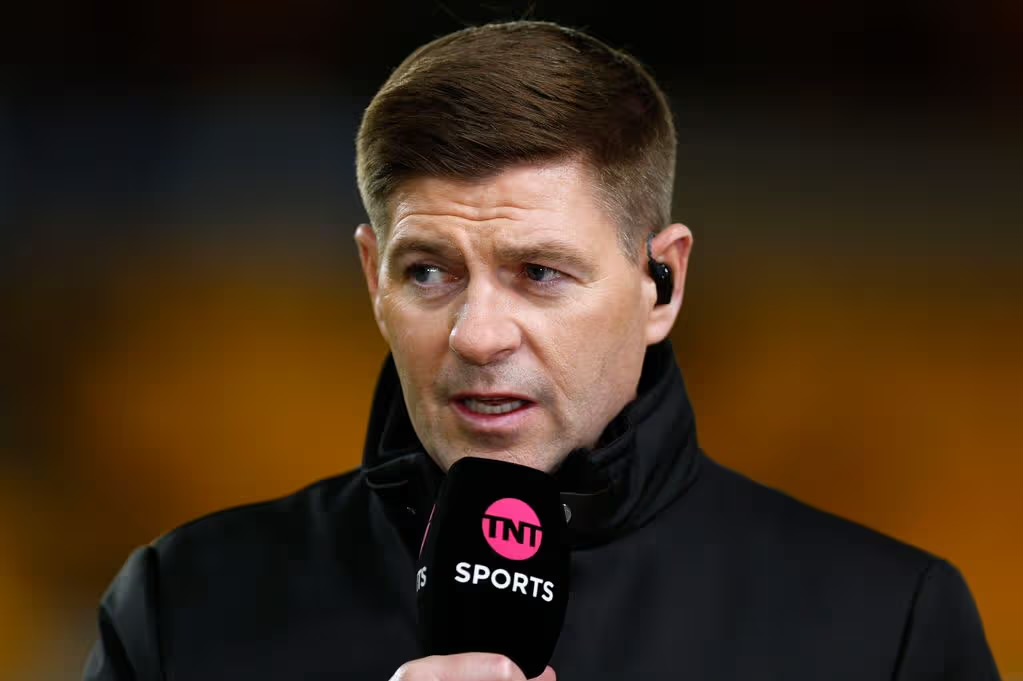
Steven Gerrard, the Liverpool legend and former Aston Villa manager, did not hold back in his assessment. Speaking in the aftermath, Gerrard reportedly delivered a scathing indictment of the current direction at the club he holds so dear.
“I’ve given enough time and kept saying let’s wait and see what happens in the next couple of games, but now it has dawned on me that this isn’t good enough. He has completely destroyed our identity and what we were known for,” Gerrard stated, in comments that quickly spread like wildfire across social media and football outlets.
The “he” in question is widely understood to refer to head coach Arne Slot, whose pragmatic, possession-oriented style has increasingly come under fire for lacking the high-intensity, front-foot pressing and relentless energy that defined the Jürgen Klopp era. Gerrard, who has been vocal about Liverpool’s struggles throughout the campaign, appears to have reached a breaking point.
The Fall from Grace
Just one season removed from a Premier League triumph that saw Liverpool dominate proceedings, the 2025-26 campaign has been nothing short of a nightmare. The Reds have endured their worst run of results in decades, with 18 defeats across all competitions. High-profile thrashings, including heavy losses to Manchester City and exits in Europe, have left fans questioning the very foundations of the project.
Slot arrived at Anfield with an impressive reputation from his time at Feyenoord, promising an evolution rather than a revolution. Early signs were promising, with a strong start to the title defense. However, injuries, the departure of key influential figures like Mohamed Salah (whose future remains a talking point), and a noticeable dip in pressing intensity have contributed to a side that often looks unrecognizable.
Against Aston Villa, Liverpool’s vulnerabilities were glaring. The midfield struggled to control the tempo, the defense was repeatedly exposed on transitions, and attacking output, while present through van Dijk’s aerial prowess, lacked the clinical edge required at this level. Villa, motivated by the prize of Champions League football, capitalized ruthlessly.
Post-match, Slot faced the media with his characteristic calm demeanor. He acknowledged the poor result but pointed to ongoing conversations with the hierarchy and his contract as reasons for confidence in his future. “I have every reason to believe I’ll be the Liverpool manager next season,” he reiterated. Yet such statements have done little to quell the growing discontent.
Gerrard’s Fury: A Legend Speaks Out
Gerrard’s intervention carries significant weight. As one of the greatest players in Liverpool’s history and a man who bled for the club during his playing days, his words resonate deeply. Having experienced managerial ups and downs himself — including his time at Villa — Gerrard has watched from afar as the team he loves has lost its “identity.”
That identity, forged under Klopp, was one of chaos-inducing gegenpressing, unbreakable spirit, and never-say-die attitude. Under the current regime, matches have often been characterized by periods of control followed by sudden collapses, with opponents exploiting spaces behind a high line or capitalizing on set-piece vulnerabilities that were once strengths.
Sources close to the situation suggest Gerrard has grown increasingly frustrated over recent months. He has covered games for broadcasters and offered analysis that has grown progressively more critical. His call for accountability echoes the sentiments of many supporters who feel the club has drifted from its core principles.
The brutal nature of his comments — accusing the current setup of destroying what Liverpool “were known for” — has ignited fierce debate. Social media platforms, particularly X (formerly Twitter), exploded with reactions. Hashtags like #GerrardSpeaksOut and #SlotOut trended rapidly, with fans sharing montages of past glories juxtaposed against current lowlights.
Fan Reactions and Rising Pressure
Liverpool supporters, known for their passion and loyalty, have reached a tipping point. Petitions calling for managerial change have garnered hundreds of thousands of signatures. Online forums and fan channels are filled with anguish, nostalgia for the Klopp years, and demands for a return to a more dynamic, attacking philosophy.
One prominent fan account posted: “Stevie G has said what we’ve all been thinking. This isn’t Liverpool. We’ve lost our soul on the pitch.” Others pointed to tactical mismatches, recruitment issues, and a perceived lack of motivation in key players.
The pressure on the Anfield hierarchy is mounting. While the club’s owners and sporting director have publicly backed Slot, citing the complexities of squad transition and the need for time, the on-pitch performances continue to undermine that narrative. With one game remaining, a failure to secure Champions League football would represent a catastrophic failure for a team that entered the season as defending champions.
Rumors of potential successors have already surfaced. Names like Xabi Alonso, a former Liverpool player currently enjoying success elsewhere, have been linked, though the club insists no such discussions are underway. Gerrard himself has been mentioned in speculative circles, though he has long maintained his admiration for the club without actively pursuing the role in the immediate term.
Tactical Breakdown and What Went Wrong
Analyzing the Villa defeat in detail reveals systemic issues. Liverpool’s high defensive line was exploited time and again by Villa’s pacey attackers. Midfield transitions were sluggish, allowing the home side to regain possession and launch counters. Set pieces, once a weapon, offered little threat while proving costly at the other end.
Slot’s preference for structured build-up play has, at times, come at the expense of the directness and verticality that Klopp’s teams thrived upon. Players who excelled in high-pressing roles appear less effective or fatigued, leading to disjointed performances. The loss of key leaders in the dressing room has also been cited as a factor in the mental fragility shown in big moments.
Comparisons to previous regimes are inevitable. Under Klopp, even in defeat, there was a sense of controlled aggression. Currently, Liverpool often appear reactive rather than proactive, a shift that Gerrard and many others believe has eroded the club’s competitive edge.
Broader Context: A Season of Disappointment
This campaign has been littered with setbacks. Early promise gave way to inconsistency, with damaging away defeats and frustrating home draws. European exits were particularly painful, highlighting a lack of squad depth and adaptability in multiple competitions.
Key individuals have come under scrutiny. While some senior players have performed admirably amid the chaos, others have shown signs of decline or struggled to adapt to the tactical demands. The integration of new signings has been uneven, and questions remain over long-term recruitment strategy.
Despite the turmoil, there have been bright spots. Individual moments of quality and occasional dominant displays remind everyone of the potential within the squad. However, consistency has been the glaring absence.
Looking Ahead: Crisis or Opportunity?
As Liverpool prepare for their final match, the focus remains on salvaging what they can from a bitterly disappointing season. A win might secure European football, but it will do little to mask the underlying problems.
Gerrard’s public intervention adds another layer of complexity. His status as a club icon means his words cannot be easily dismissed. They serve as both a wake-up call and a reminder of the standards expected at Anfield.
For Slot, the coming weeks will be defining. He must demonstrate to fans, players, and the board that he possesses the vision and adaptability to restore Liverpool to its former glory. Failure to do so could see the pressure become unsustainable, regardless of contractual assurances.
The wider football world watches with interest. Liverpool remains one of the biggest clubs globally, with a fanbase that demands excellence. The debate over its future direction — evolutionary stability versus a return to proven intensity — will dominate discussions throughout the summer.
Gerrard’s fury is more than just one man’s opinion; it encapsulates the frustration of a legion of supporters who have witnessed their beloved team lose its way. Whether this humiliation marks the lowest point or the catalyst for necessary change remains to be seen.
As one fan summarized online: “Stevie doesn’t speak lightly. When he says the identity is destroyed, we listen. Time for action.”
The full story continues to unfold, with implications that could shape Liverpool Football Club for years to come. Supporters, legends, and the club itself stand at a crossroads. The beautiful game rarely offers easy answers, but in moments like these, the call for accountability grows loudest.