
If you’re serious about building a successful career in Nigeria, then understanding and developing Jobberman Soft Skills is non-negotiable. The truth is, technical knowledge can get you hired, but it’s your soft skills that determine how far you’ll grow in your career.
Over the years, Jobberman, Africa’s leading recruitment platform, has researched and identified the seven critical soft skills every professional must have to thrive in the modern workplace. These skills go beyond certificates—they are about how you communicate, collaborate, and add value in a competitive job market.
In this guide, we’ll explore the Jobberman Soft Skills, why they matter, and how you can start building them today to stay relevant from 2025 to 2035 and beyond.
1. Communication Skills
If there’s one skill that cuts across every profession, it’s communication. According to Jobberman Soft Skills research, communication is the foundation of workplace success in Nigeria. Employers consistently rank it as the number one skill they look for.
Strong communication means more than speaking English fluently—it’s about clarity, active listening, persuasive writing, and even non-verbal cues. Imagine a Nigerian salesperson who can explain complex fintech solutions in simple terms; that’s communication mastery.
Why it matters:
- Employers value clear, professional communication in emails, presentations, and meetings.
- In Nigeria’s multicultural workplaces, communication bridges cultural and generational gaps.
- Poor communication is one of the biggest reasons projects fail.
How to improve: Join public speaking clubs like Toastmasters Nigeria, practice writing professional emails, and take courses on Effective Communication.

2. Emotional Intelligence (EI)
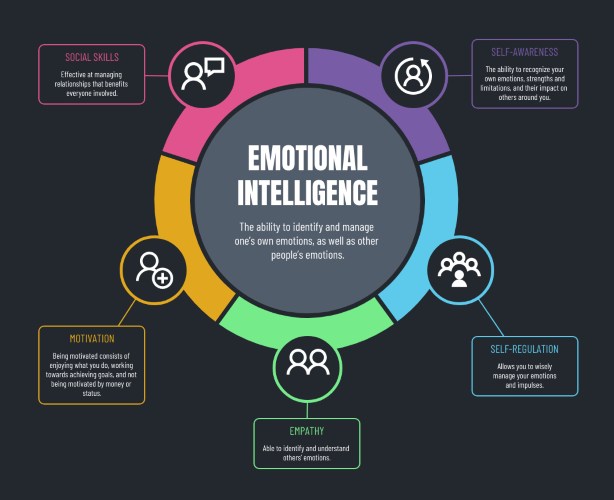
Workplaces are filled with diverse personalities, and without emotional intelligence, conflicts escalate. Among the Jobberman Soft Skills, EI stands out because it measures your ability to understand and manage your emotions—and those of others.
In Nigeria’s fast-paced industries like banking, tech, and media, professionals who remain calm under pressure are highly valued. For example, a customer service agent in Lagos who handles an angry customer with empathy shows the power of emotional intelligence.
Why it matters:
- Improves teamwork and leadership effectiveness.
- Reduces workplace stress and conflict.
- Makes you adaptable in uncertain situations.
How to improve: Read books like Emotional Intelligence 2.0, practice mindfulness, and seek feedback on how you handle difficult situations.
3. Personal Effectiveness
Productivity is the currency of modern workplaces. One of the most underrated Jobberman Soft Skills is personal effectiveness—the ability to manage time, set priorities, and deliver results.
In a Nigerian job market where employers want more output with fewer resources, effective professionals stand out. Think of an Abuja-based project manager who consistently delivers projects ahead of deadline—that’s personal effectiveness in action.
Why it matters:
- Increases career growth and promotion opportunities.
- Helps balance work and personal life.
- Employers trust you with bigger responsibilities.
How to improve: Use tools like Trello or Google Calendar, learn prioritization methods (e.g., Eisenhower Matrix), and practice self-discipline daily.
4. Creativity & Innovation
Nigeria is filled with challenges, but that also means opportunities for creative thinkers. As part of Jobberman Soft Skills, creativity isn’t just about art—it’s about problem-solving and innovation.
In 2025 and beyond, businesses will reward professionals who bring fresh ideas. For example, Nigerian fintech startups like Paystack and Flutterwave grew because creative minds solved local payment problems in new ways.
Why it matters:
- Creativity gives companies a competitive edge.
- Innovation drives entrepreneurship and new job creation.
- Employers prefer problem-solvers over routine workers.
How to improve: Practice brainstorming, embrace design thinking, and expose yourself to new industries and cultures.
5. Problem-Solving
Life—and work—is full of problems. Employers are not paying you to just show up; they’re paying you to solve problems. Among the Jobberman Soft Skills, problem-solving is directly linked to employability.
From a software engineer debugging a system to a teacher finding new ways to engage students in Enugu, problem-solving shows up everywhere. Nigerian companies need workers who can identify issues, analyze options, and implement solutions.
Why it matters:
- Increases your value to employers.
- Saves businesses time and resources.
- Builds confidence and leadership qualities.
How to improve: Study case studies, practice critical thinking exercises, and always ask: “What’s the root cause of this issue?”
6. Teamwork
The Nigerian saying, “If you want to go fast, go alone; if you want to go far, go together,” applies perfectly here. Jobberman Soft Skills emphasize teamwork because no great achievement happens in isolation.
Whether it’s doctors working in hospitals, developers in tech teams, or marketers in agencies, collaboration is key. Employers want professionals who don’t just focus on themselves but lift the whole team.
Why it matters:
- Builds stronger organizations and communities.
- Increases productivity and efficiency.
- Creates a positive work culture.
How to improve: Volunteer in group projects, join team-based competitions, and practice active listening in meetings.

7. Work Ethics
Finally, the backbone of the Jobberman Soft Skills framework is work ethics. In simple terms, it’s your level of integrity, discipline, and professionalism.
In Nigeria’s competitive job market, professionals with strong work ethics stand out. An employee who is reliable, punctual, and consistent becomes indispensable to any organization.
Why it matters:
- Builds trust with employers and colleagues.
- Increases long-term career stability.
- Sets you apart in a crowded job market.
How to improve: Avoid shortcuts, commit to lifelong learning, and treat every role as if you own the business.
Why Jobberman Soft Skills Matter for the Next 10 Years
From 2025 to 2035, Nigeria’s economy will continue to evolve—tech will grow, new industries will emerge, and competition for jobs will intensify. But one thing will remain constant: the importance of Jobberman Soft Skills.
Unlike technical skills that can become outdated, soft skills remain relevant across industries and roles. Whether you’re a doctor, a software developer, or an entrepreneur, these skills will determine your adaptability, leadership, and long-term success.
If you want to future-proof your career, invest in building your Jobberman Soft Skills now.