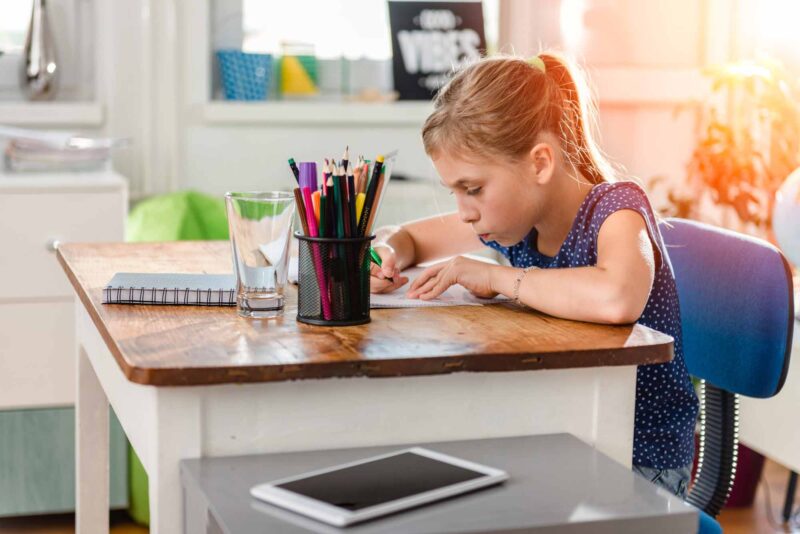
Why Organization Skills Matter More Than You Think
In today’s fast-paced academic environment, being organized is more than just keeping a clean desk. It’s about time management, responsibility, and developing habits that lead to academic and personal success. Learning how to help your child get more organized at school can reduce stress, improve their grades, and even build long-term confidence.
From missed homework to forgotten tests, disorganization can negatively affect a child’s performance. But with the right strategies, you can support your child to stay on top of school responsibilities—without constant nagging.
Teach Them the Power of Planning
One of the best ways to teach organization is to introduce a planner or calendar early. Whether it’s a physical diary or a mobile app, a planner allows your child to see what’s coming up and how to prepare.
Help them write down homework, test dates, project deadlines, and even extracurricular activities. The goal is to build the habit of planning their week and tracking tasks.
Example tools to try:
- Google Calendar (syncs with devices)
- MyStudyLife app
- Simple weekly planners from bookstores
Learning how to help your child get more organized at school starts with planning ahead—not reacting last-minute.
Break Big Tasks Into Smaller Chunks
Children often feel overwhelmed when given a large assignment. Show them how to break down big tasks into smaller, manageable steps. For example, if they have a science project due in two weeks, create a mini-plan:
- Day 1–3: Research
- Day 4–6: Draft
- Day 7–10: Create model
- Day 11–14: Edit and practice presentation
This structure not only helps with focus, but also teaches them how to prioritize and plan in a way that removes stress.
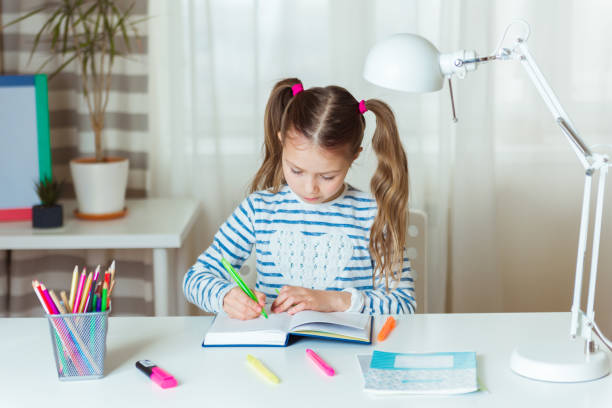
Organize Their Backpack and Study Space Weekly
A cluttered backpack equals a cluttered mind. Spend 15–20 minutes every weekend with your child to clean out their backpack and organize supplies. Ensure they have working pens, folders for each subject, and a system to keep old and current assignments separate.
Also, keep their study area clean, quiet, and distraction-free. The environment they study in affects their ability to focus and retain information.
One of the most overlooked ways to help your child get more organized at school is by managing their physical space.

Use a Visual Schedule for Younger Kids
For children in primary school, visual schedules can be powerful. Color-coded charts with symbols or images for “Homework,” “Dinner,” “TV time,” or “Bedtime” can help children follow routines without being constantly reminded.
This technique is especially helpful for kids with ADHD or other learning challenges. It gives them autonomy while reinforcing structure.
Encourage Routine and Consistency
Children thrive on routines. A consistent after-school routine might look like this:
- Snack time
- Homework
- Short break or play
- Reading
- Dinner
When they know what to expect daily, it reduces friction and decision fatigue. Over time, this becomes an internal clock that helps them manage tasks independently.
If you’re serious about learning how to help your child get more organized at school, creating a routine is the foundation.
Teach Them How to Prioritize
Teach your child the difference between urgent and important tasks. Use the Eisenhower Matrix or simply color-coding tasks as “Must Do Today,” “Do This Week,” and “Can Wait.”
You can also introduce a daily “Top 3 Tasks” strategy where they focus on just three key assignments or goals each day.
This builds their decision-making and time management skills—a huge win for academic growth and life.
Be Their Accountability Partner (Not a Nag)
While it’s tempting to constantly remind your child, try using encouraging check-ins instead of nagging. Ask questions like:
- “What’s your plan for finishing this assignment?”
- “What time do you want to start studying?”
- “Do you want to set a timer together?”
The goal is to make them feel ownership of their routine. If they forget, help them reflect rather than punish. Support and communication go further than pressure.
Track Progress & Celebrate Small Wins
Use stickers, charts, or digital badges to celebrate organization wins. Finished a week of homework without reminders? Celebrate it! Created a neat study space? Let them know you noticed.
This builds momentum and motivation. Children need to see that their efforts matter and lead to recognition.
Final Thoughts: Start Small, Stay Consistent
Helping your child stay organized is a long-term investment. You don’t need to overhaul everything overnight. Choose one or two of the strategies above, apply them consistently, and build from there.
Remember: The more your child feels capable of managing their time and space, the more confident they’ll feel about school overall.